Home Wind Turbine System Types
Grid-tied, off-grid or hybrid: how your turbine connects to your home.
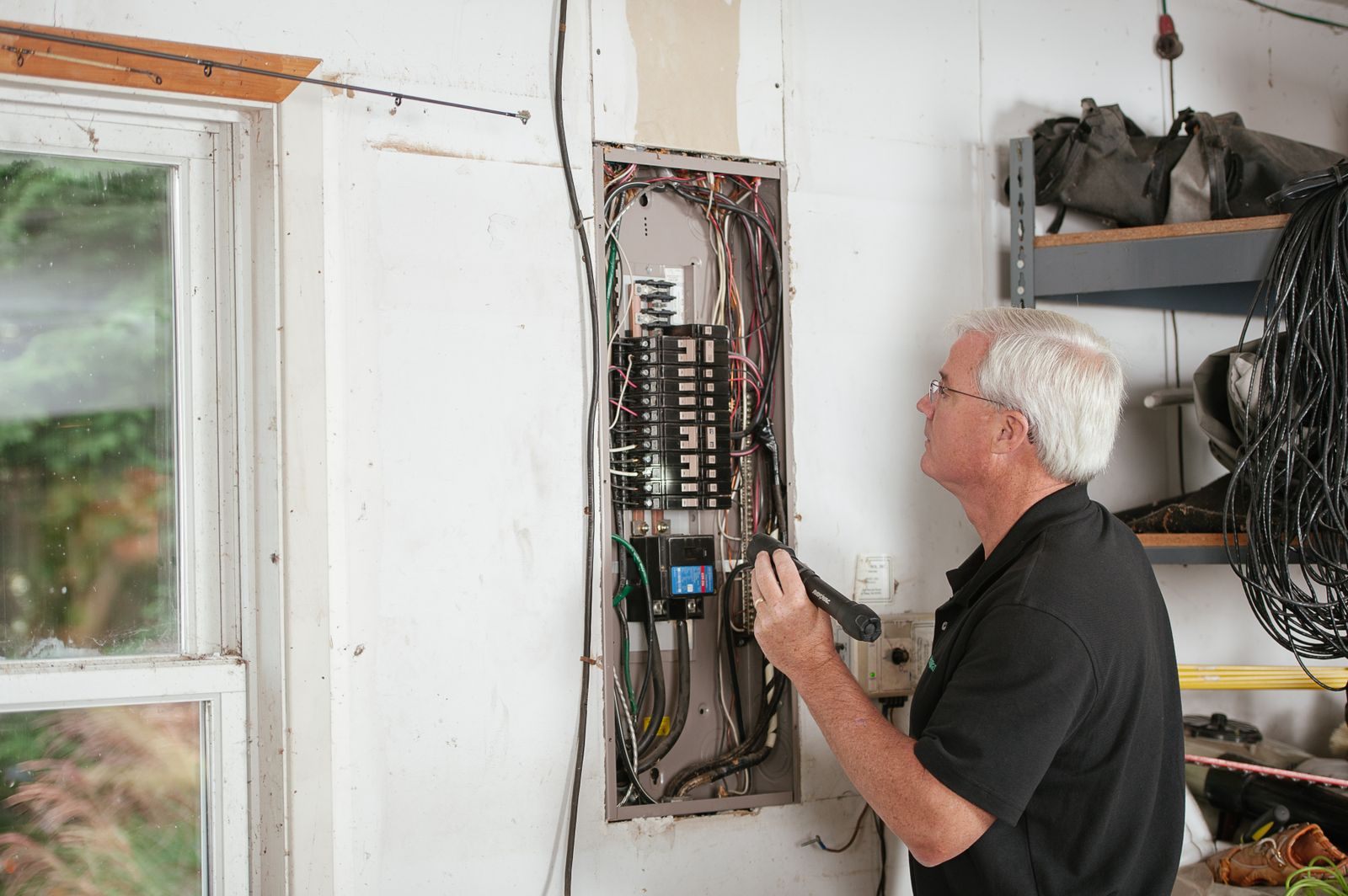
Interconnection RulesEvery home wind turbine system has the same core — turbine, tower and electronics — but how it connects to your house and the grid changes what you buy, what you pay and what happens when the power goes out.
Three Kinds of Home Wind Turbine System
| System type | How it works | Best for |
|---|---|---|
| Grid-tied (grid-connected) | An inverter feeds the turbine’s power into your home panel. You use it first; the grid covers shortfalls and, with net metering, credits the surplus. | Homes and farms with utility service and at least 10 mph average wind |
| Grid-tied with battery backup | Adds batteries so selected circuits keep running in an outage. | Places with frequent outages or critical loads such as well pumps |
| Off-grid (stand-alone) | The turbine charges a battery bank; an inverter supplies the house. Often paired with solar and a backup generator. | Cabins, ranches and homes far from utility lines |
Grid-Tied Systems
Grid-tied is the simplest and most common setup. The utility will want the inverter and interconnection to meet its rules — the handbook notes that utilities typically require compliance with the IEEE 1547 interconnection standard — and you sign an interconnection agreement before switching on.
The appeal is that you do not need to store energy. Surplus power flows to the grid, and under net metering it can offset what you draw later in the billing period. Rules vary by state and utility; see our permits and net metering page.
Off-Grid and Hybrid Systems
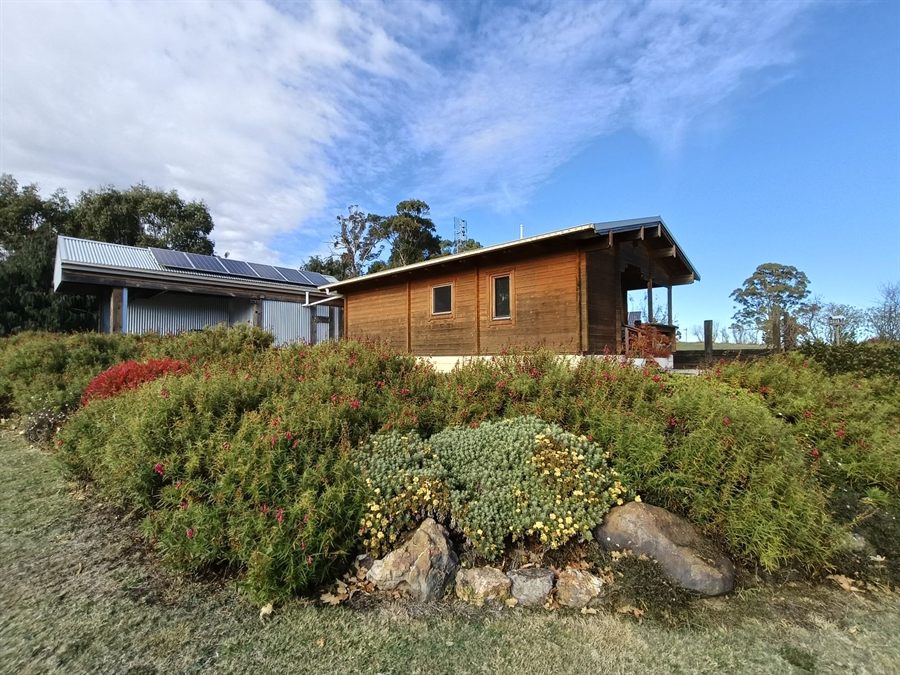
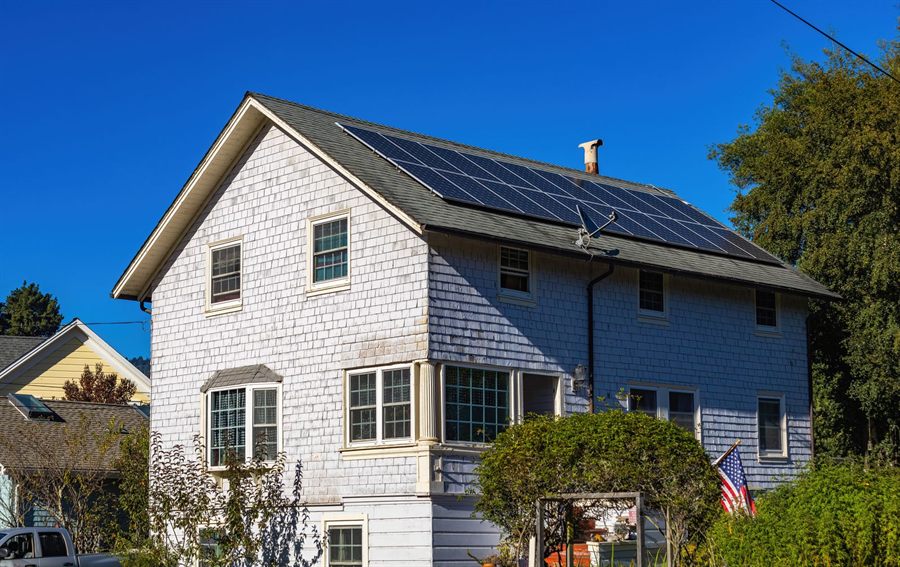
Off the grid, a home wind turbine charges batteries, and an inverter turns stored energy into household power. Because wind is variable, most off-grid systems are hybrids: wind and solar together, often with a generator for long calm spells. The DOE handbook notes that hybrid systems can be practical at average wind speeds of about 9 mph.
Wind and sun tend to complement each other. In many regions wind is stronger in winter and at night, while solar peaks in summer days, which smooths out the supply and can shrink the battery bank you need.
Batteries in Plain Terms
- Deep-cycle batteries are built to be drained and recharged many times; car batteries are not.
- Banks are commonly sized for one to three days of use without wind or sun.
- Batteries need a safe, ventilated or manufacturer-approved location and periodic checks.
- Plan for eventual replacement; batteries usually wear out before the turbine does.
- A charge controller protects the bank from overcharging, and a dump load handles surplus wind.
System Questions
Do I need batteries with a grid-tied system?
Usually not. A grid-connected home wind turbine system normally needs only an inverter and interconnection equipment; the grid acts as your storage. Batteries are an option if you want backup during outages.
Will a grid-tied turbine keep my lights on in a blackout?
Not by itself. For safety, grid-tied inverters shut down when the grid goes down. Backup during outages needs a battery-based or hybrid design built for it.
How big should a battery bank be?
The DOE handbook notes that battery banks for stand-alone systems are typically sized to carry the load for one to three days without wind or sun.
Talk to a Licensed Electrician
Any home wind turbine system ties into your panel. Find licensed electricians and installers near you to design it safely.
Find Local Businesses