How a Home Wind Turbine Works
From spinning blades to the outlet on your wall, in plain English.
Check Your Site NextA home wind turbine turns moving air into electricity in a few simple steps. Knowing those steps helps you read a specification sheet, ask installers better questions and understand why tower height matters as much as the turbine itself.
From Breeze to Outlet
Rotor and blades
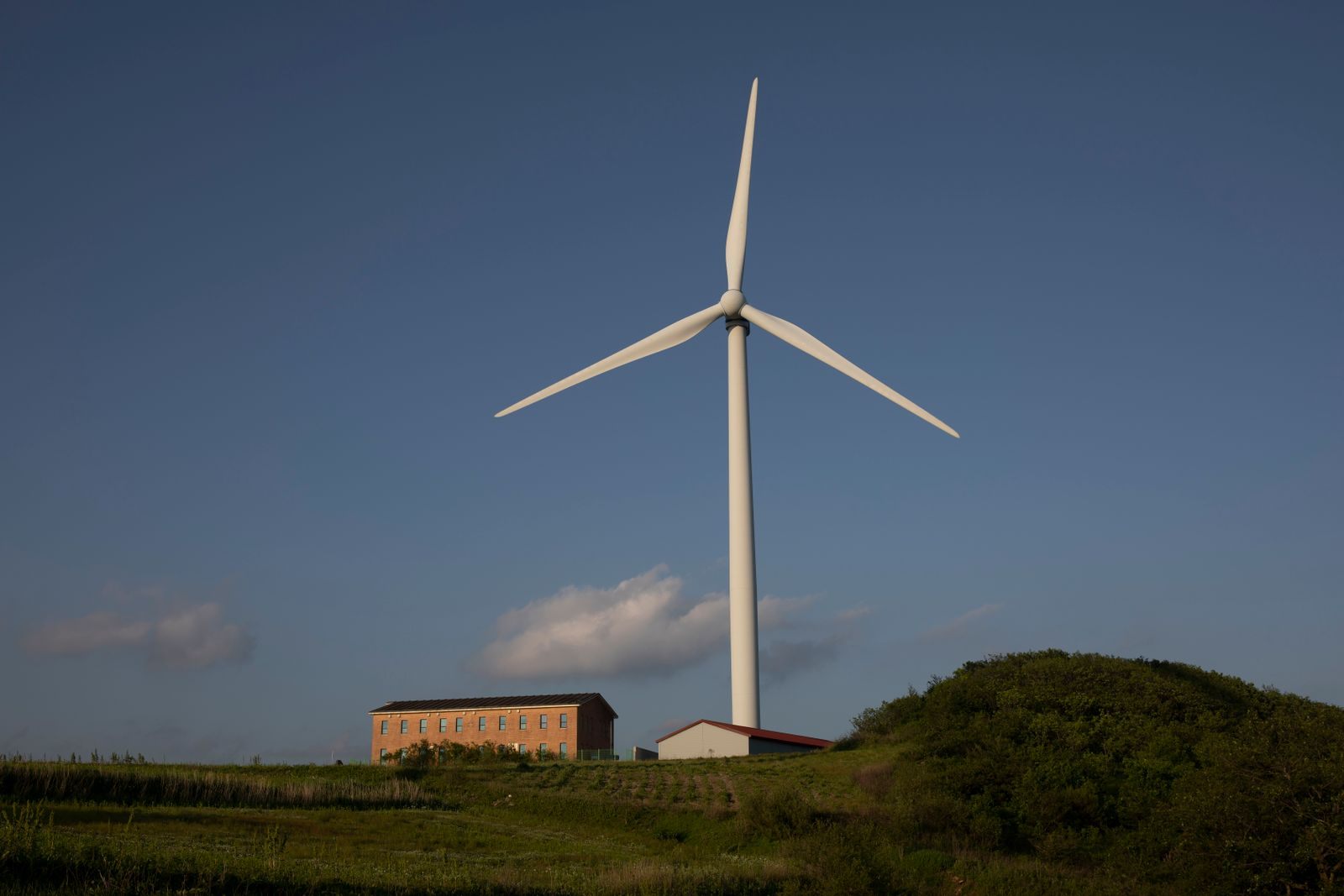
Wind pushes on the blades, which are shaped like airplane wings, and spins the rotor. Most home units have two or three blades on a horizontal shaft facing into the wind.
Generator
The rotor turns a generator, usually directly on small turbines. It produces electricity whose voltage and frequency vary with wind speed.
Tail or yaw system
On most small turbines a tail vane keeps the rotor pointed into the wind, and a furling or braking system protects the machine in high winds.
Controller and inverter
Electronics turn the turbine’s variable output into steady power: household AC for a grid-tied home, or charge for a battery bank.
Tower
The tower lifts the rotor into stronger, smoother wind above trees and buildings. It is not an accessory; it is half of the system.
Disconnects and metering
Safety switches, grounding and a meter connect the system to your panel and, if grid-tied, to the utility.
Why a Little More Wind Means a Lot More Power
The power available in the wind grows with the cube of the wind speed. Double the wind speed and the available power rises about eightfold; even a modest increase in average speed makes a large difference to the energy a turbine can collect over a year.
The second lever is the swept area, the circle the blades sweep. Power rises with that area, so rotor diameter matters more than the generator’s nameplate rating. Two turbines labeled with the same peak watts can produce very different amounts of energy at the same site.
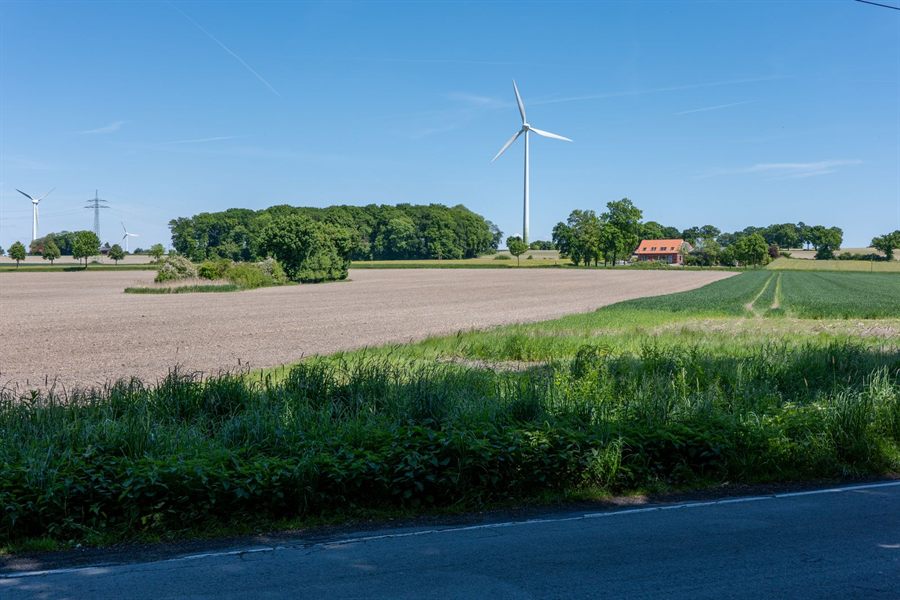
This is why the DOE’s Small Wind Handbook focuses on average annual wind speed at hub height. It is the single number that best predicts how much a home wind turbine will produce.
Horizontal-Axis and Vertical-Axis Designs
Almost all certified home turbines are horizontal-axis machines — the familiar propeller shape. Vertical-axis designs, which look like eggbeaters or twisted ribbons, are often marketed for rooftops because they accept wind from any direction. They still need clean wind to perform, and the turbulence around buildings works against every design. Judge any turbine by its certified energy rating, not its shape.
What Rated Power Really Means
A turbine’s rated power is its output at one particular wind speed chosen by the maker, and that speed is usually stronger than the average at a home site. More useful is rated annual energy: the kilowatt-hours a certified turbine is expected to make in a year at a standard average wind speed. Certified turbines publish this figure, which lets you compare models fairly.
Common Questions
Do home wind turbines make noise?
They make some sound, mostly a whoosh from the blades and a hum from the generator. The DOE handbook gives a figure of about 55 decibels at 50 feet from the hub for one 2-kilowatt example. Distance and a taller tower reduce what neighbors hear.
What happens in a storm?
Small turbines have a protection system — furling the rotor out of the wind, changing blade pitch, or braking — that limits speed in high winds. Ask how a model protects itself and whether it can be shut down manually.
Does a home wind turbine need maintenance?
Yes. Expect periodic checks of bolts, electrical connections, guy-wire tension and corrosion, plus lubrication and brake work on some models. Tilt-down towers make that easier on smaller turbines.
Next: Does Your Property Have the Wind?
Now that you know how a turbine turns wind into power, see how to measure the wind at your own property and how tall the tower needs to be.
Read the Siting Guide